Cargo holds troubleshooting
Cargo holds troubleshooting

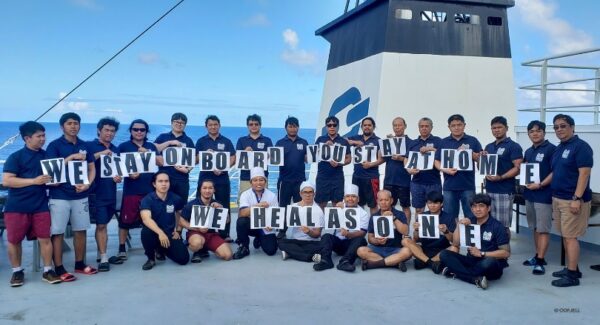
We are facing unprecedented worldwide lockdown and severe travel restrictions caused by the COVID-19 pandemic. Several thousand seafarers have been asked to extend their contracts beyond their usual tour of duty.
The shipping industry is now making the final preparation for the compliance with the IMO 0.50% sulphur cap with less than a month to go before the new regulation takes effect on 1 January 2020. Skuld would like to advice its members on the risk for the IMO 2020 regulation, particularly to the crew onboard who will be cleaning the tanks if the vessel will use compliant fuel.
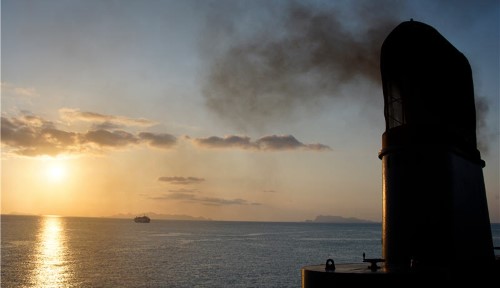
In view of the upcoming implementation date of 1 January 2020 of the Sulphur Cap Regulation, Skuld would like to inform its members that the International Organisation for Standardisation (ISO) has released new fuel specification guidelines for very low sulphur marine fuel oil “ISO / PAS 23263:2019”.
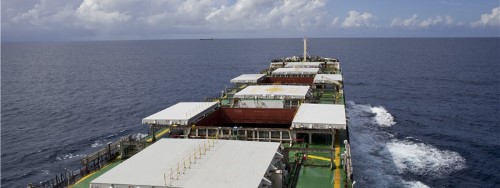
Cargo damage due to water ingress through leaking hatch covers remain an important part of cargo claims. Non-weathertight hatch covers are the main cause of wet cargo damage. Therefore, P&I clubs require vessels to always maintain hatch covers in a weathertight condition. It is also the statutory requirement for weathertightness in the International Convention on Load Lines, 1966:

Failure to comply with company procedures regarding entry into enclosed spaces can be fatal. This key shipboard operation sadly continues to cause injury and take lives every year, and in the following we briefly deal with the hazards, regulations and procedures involved in entering enclosed spaces.

MO has amended Regulation 14 of MARPOL Annex VI with effect from 1 January 2020. The amended Regulation 14 will result in a new global sulphur limit cap of 0.5% in HFO against the present 3.5% sulphur limit cap.